History
Intent, Implementation and Impact
Intent
At Boxmoor, we want our pupils to become curious, confident historians who understand how the past has shaped the world they live in today. Our curriculum builds secure knowledge of key periods, people and events in British, local and world history. It is sequenced so that pupils develop a clear sense of chronology as they move through the school.
Alongside this knowledge, we teach pupils to think like historians. They learn to ask questions, examine a range of sources, and consider how reliable those sources are. They compare different interpretations of the past and explain cause and consequence, similarity and difference, continuity and change. Our curriculum reflects the diversity of Britain's past and the movement of people over time. It makes links to our local area wherever possible, so that pupils can see themselves and their community in the history they study. We want every pupil, whatever their starting point, to access this ambitious curriculum in full.
Implementation
Our history curriculum covers the full content of the National Curriculum. Units are carefully placed across the year groups so that content is age appropriate and builds on what pupils have learnt before. In the Early Years, children begin to explore the past through the Understanding the World area of learning, talking about their own lives, the lives of people around them, and characters and events from stories and the past.
Alongside the National Curriculum units, we teach four additional units on the movement of people and diversity in society. These give pupils a broader and more accurate picture of Britain's past.
Each unit is built around an overarching enquiry question. Pupils return to this question at the end of the unit and answer it using the knowledge they have gained. Within every unit, pupils:
- learn and use subject-specific vocabulary
- place the period studied on a timeline and connect it to units studied previously
- compare how life in the past was similar to and different from life today
- ask and answer historical questions
- explore a range of sources and consider how reliable they are.
Teachers model vocabulary, knowledge and historical thinking clearly. Lessons begin by revisiting prior learning so that pupils remember more over time and can connect new knowledge to what they already know. Teaching is adapted so that all pupils, including those with SEND and disadvantaged pupils, can access the same curriculum. Where possible, learning is brought to life through visits to historical sites and museums, visitors to school, and the handling of artefacts.
Impact
We check what pupils have learnt through their answers to each unit's enquiry question, regular low-stakes retrieval, the work in their books and conversations with pupils. Subject leaders use this information, together with lesson visits, to monitor the curriculum and make improvements.
Our monitoring shows that pupils enjoy history and talk confidently about what they have learnt, using accurate subject-specific vocabulary. They can recall knowledge from earlier units and connect it to new learning, and they increasingly use sources and evidence to support their ideas. Work across the school shows that history is taught at an appropriate standard in each year group, and that pupils of all abilities are included in the full curriculum.
The following are the units that the children currently learn within each year group and each overarching question:
|
Year group |
Unit |
Question |
|
Early Years |
Me and my world |
What is the story of me and my world? |
|
Early Years |
What a wonderful world |
What makes our world wonderful? |
|
Early Years |
Oh the places we’ll go! |
Where have I been and where will I go? |
|
Year 1 |
Changes within living memory: Toys |
How have toys changed? |
|
Year 1 |
Significant people in our locality: John Dickinson |
Can you make paper like John Dickinson? |
|
Year 1 |
Explorers of note |
How have explorers changed the world? |
|
Year 2 |
A national event beyond living memory: The Great Fire of London |
How did the Great Fire of London change London? |
|
Year 2 |
The history of flight | How did we learn to fly? |
|
Year 2 |
Monarchy and William the Conqueror | What is a monarch? |
|
Year 3 |
Changes in Britain: Stone Age to Iron Age. |
Would you prefer to live in the Stone Age, Bronze Age or Iron Age? |
|
Year 3: |
Achievements of early civilisations: Overview of four civilisations, plus an in depth study of the Egyptians. |
What did the ancient Egyptians believe? |
|
Year 3 |
Children in history |
How have children's lives changed? |
|
Year 4 |
The Roman Empire and its impact on Britain. | Why did the Romans settle in Britain? |
|
Year 4 |
Invasion & settlement in Britain. |
How hard was it to invade & settle in Britain? |
|
Year 4 |
The Vikings and their impact on Britain. | Vicious Vikings: Were the Vikings raiders, traders or settlers? |
| Year 5 | The Tudors | How was life in Tudor England? |
|
Year 5 |
Ancient Greece. | How groovy were the Greeks? |
|
Year 5 |
A non-European society that contrasts with British history: Mayan Civilisation. | Could you live like a Mayan? |
|
Year 6 |
An aspect of British history beyond 1066: World War 2. |
War, what is it good for? |
|
Year 6 |
Unheard histories | Slavery - shame on us? |
|
Year 6 |
Exploring the History of our local area | What does the census tell us about our local area? |
If you, or someone you know, has knowledge or experience connected to one or more of the units that we study please contact the history coordinator, who would be pleased to welcome further contributions to our learning.
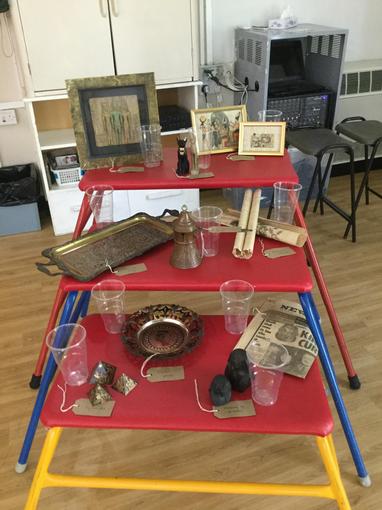
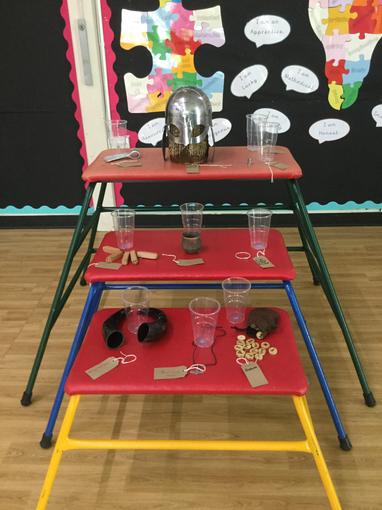
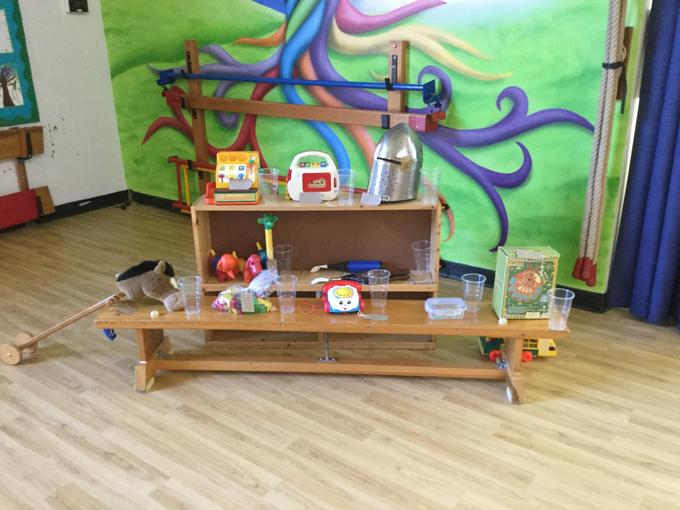
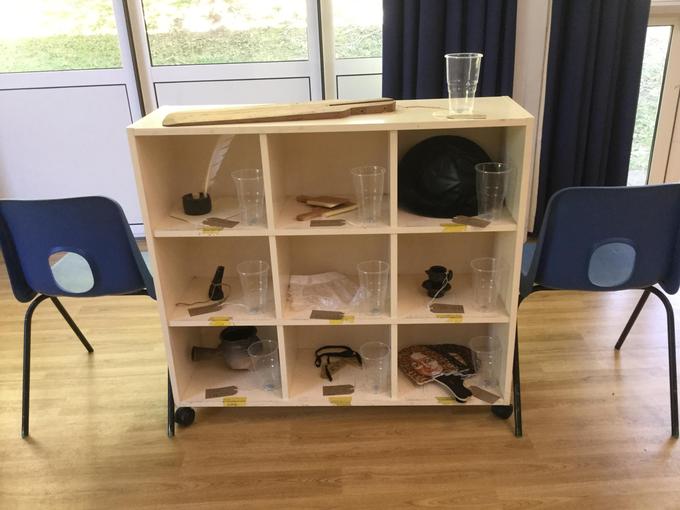
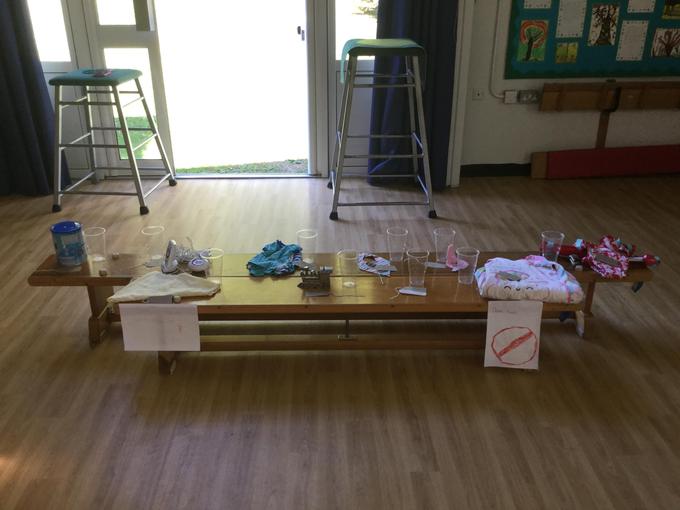
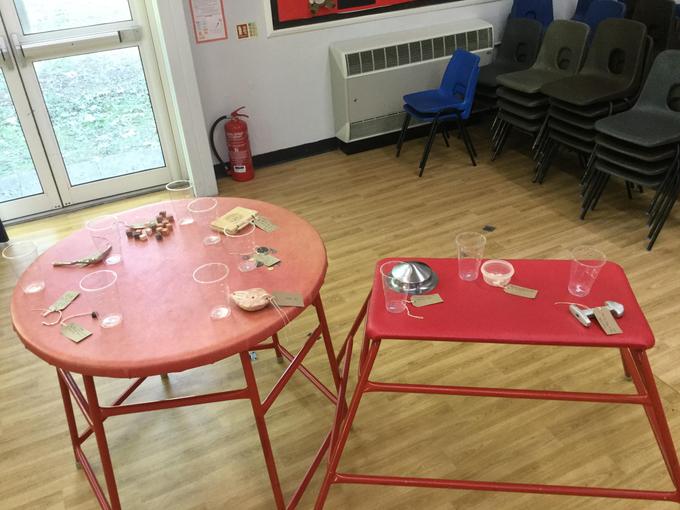
Whole School Museum made for History Mystery Day - Which item's description is a lie?
|
|
|
|
|
|
|
|
|